A fresh coat of paint can hide a lot. When you buy a home, you inherit its water history, including any leaks that were patched and any basement that floods. A careful walkthrough, the right questions and a look at the disclosure paperwork help you find problems while you can still negotiate.
What to look for during a showing
Ceiling stains
Yellow or brown rings, new paint patches or bubbling texture can mean past roof or plumbing leaks.
Basement clues
White mineral deposits, rust at the base of posts, a damp smell or a dehumidifier running constantly.
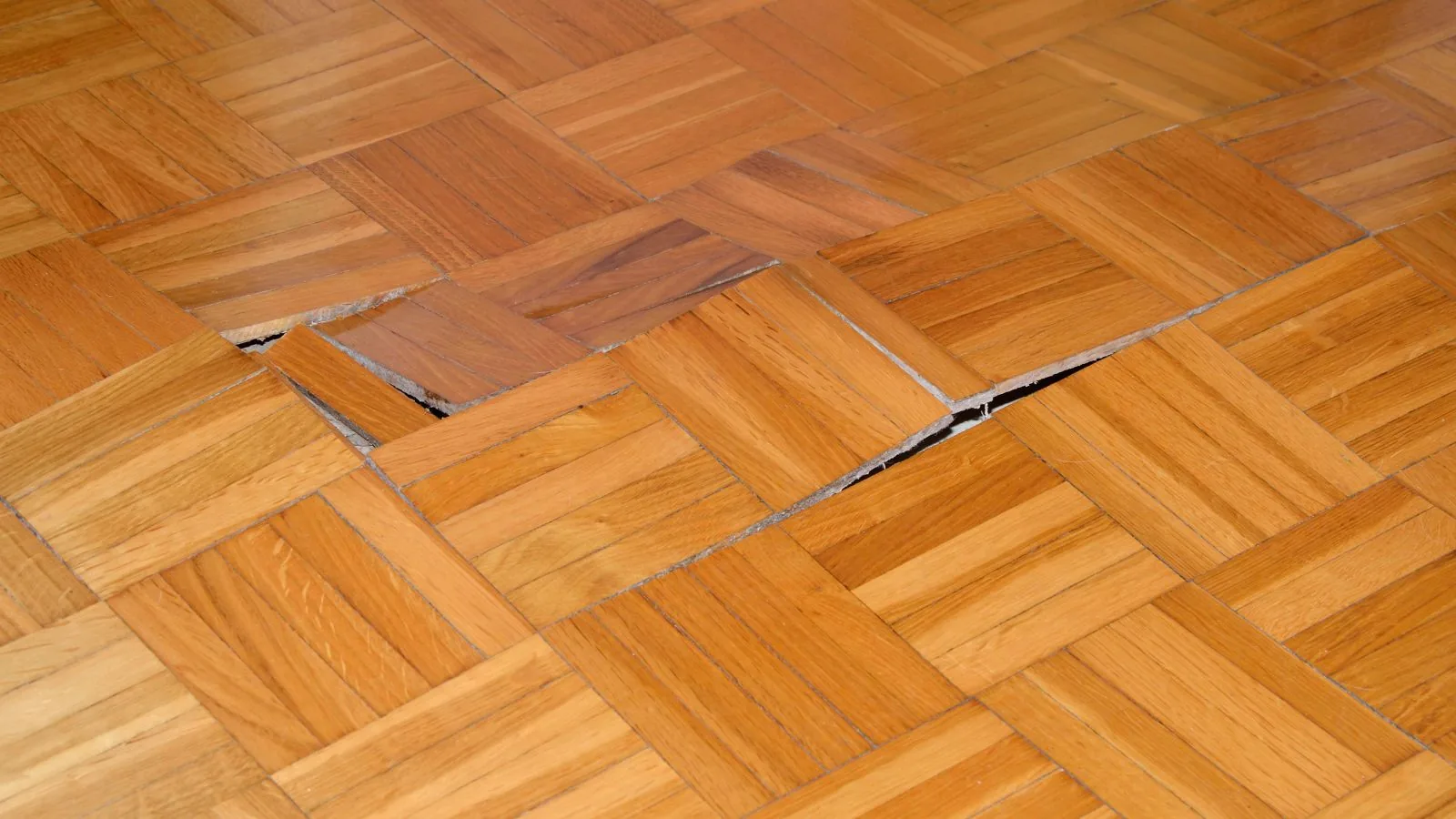
Floor changes
Cupped or buckled wood, soft spots near sinks and tubs, or new flooring that stops at odd places.
Exterior hints
Downspouts that dump at the foundation, soil sloping toward the house and stained siding or brick.
Look in closets, under sinks and around the water heater. These places rarely get styled for a showing. Smell matters too, since a musty odor suggests moisture. Take photos so you can compare later.
Read the seller's disclosure
Missouri sellers commonly complete a disclosure statement about the condition of the property. The standard forms ask about water intrusion, drainage, plumbing and past repairs. Read every answer and note what was left blank.
A disclosure does not replace an inspection. It records what the seller says they know. If an answer mentions past water in the basement, ask what caused it, what was fixed and whether there are receipts. Ask whether an insurance claim was filed.
| Question | Why it matters |
|---|---|
| Has water entered the basement or crawl space? | Shows drainage or sump history. |
| Were any leaks repaired, and by whom? | Shows whether the cause was fixed. |
| Was there an insurance claim for water? | Past claims affect your own coverage options. |
| Is there a sump pump, and when was it installed? | Shows the house has had a water problem. |
| Has mold been found or treated? | Shows moisture history and the scope of past work. |
Inspection and testing options
A general home inspector checks visible conditions and may use a moisture meter. For concerns, you can ask a specialist to map moisture or inspect a crawl space. A moisture reading shows what is wet today, not what was wet last year, so combine readings with the paperwork and your own eyes.
If an inspector finds active moisture, ask the seller to fix the source and dry the area before closing, or negotiate on price. See our guides to crawl space water damage and basement water damage to understand what those repairs involve.
Flood maps and insurance
- Look up the address on the FEMA Flood Map Service Center.
- Ask your lender whether flood insurance is required.
- Ask your insurer whether sewer or sump backup coverage is available.
- Request the seller's claims history if possible.
- Ask the city about permits for any past basement or plumbing work.
Negotiating when water history appears
A past leak that was properly repaired is not a reason to walk away. What matters is whether the cause was fixed and the area dried and rebuilt correctly. Ask for receipts, permits and photos. If there are none, factor that into your decision.
If you find active moisture, you have choices. You can ask the seller to repair it, request a credit, or walk away. A specialist assessment gives you facts to negotiate with.
After you move in
Once you own the home, learn its water system. Find the main shutoff, test the sump pump, look at the water heater age and check the gutters. Take baseline photos of the basement and attic so you can spot changes.
Consider adding sewer or sump backup coverage if your insurer offers it. Check that your policy matches the value of the home.
- Locate and test the main water shutoff.
- Check the age and condition of the water heater.
- Review the sump pump and its discharge.
- Photograph basement walls and floors.
- Review insurance coverage for water and backup.
Questions for neighbors and the agent
Neighbors often know the history of a street. Ask whether homes nearby have wet basements, whether the street floods or whether the storm drains back up. Their answers do not replace paperwork, but they point you to what to check.
Your agent can often find prior listing photos. Compare them with what you see today. A finished basement with new paint and no history of being finished may be worth a closer look.
Red flags in a walkthrough
- Fresh paint only on a lower wall or a ceiling patch.
- A dehumidifier left running in a finished basement.
- Furniture placed to hide a wall or floor area.
- Strong air freshener smells in closed spaces.
- Floors that feel soft or uneven near sinks and tubs.
None of these signs prove a problem. They tell you where to look closer. Bring a flashlight and a notebook, and keep your own photos.
Maps, permits and records in O'Fallon
The City of O'Fallon Engineering office regulates development in the floodplain, and FEMA's notices list Crooked Creek, Dardenne Creek and Duckett Creek flood zones as affecting the city. A mapped zone changes insurance and lending, so check before you make an offer.
The City of O'Fallon Building Division issues permits for plumbing, electrical and mechanical work. Asking whether finished basement work was permitted can tell you if the walls were built over past water. We serve O'Fallon and nearby towns, including Defiance and Moscow Mills.
Questions we hear
Can I check whether an O'Fallon address is in a floodplain?
Yes. Use the FEMA Flood Map Service Center, and ask the City of O'Fallon Engineering office about local floodplain regulation.
Does a clean inspection mean no past water damage?
Not always. An inspection shows current conditions. Paint can hide old stains, so also read disclosures and ask questions.
Should I order a separate mold test?
It depends on what you see and smell. Discuss with your inspector. A moisture assessment often comes first.
What if the seller did not disclose a leak?
Talk to your agent or an attorney about your options.
Will flood insurance be required?
If the home sits in a mapped high-risk zone and has a federally backed loan, usually yes. Ask your lender.