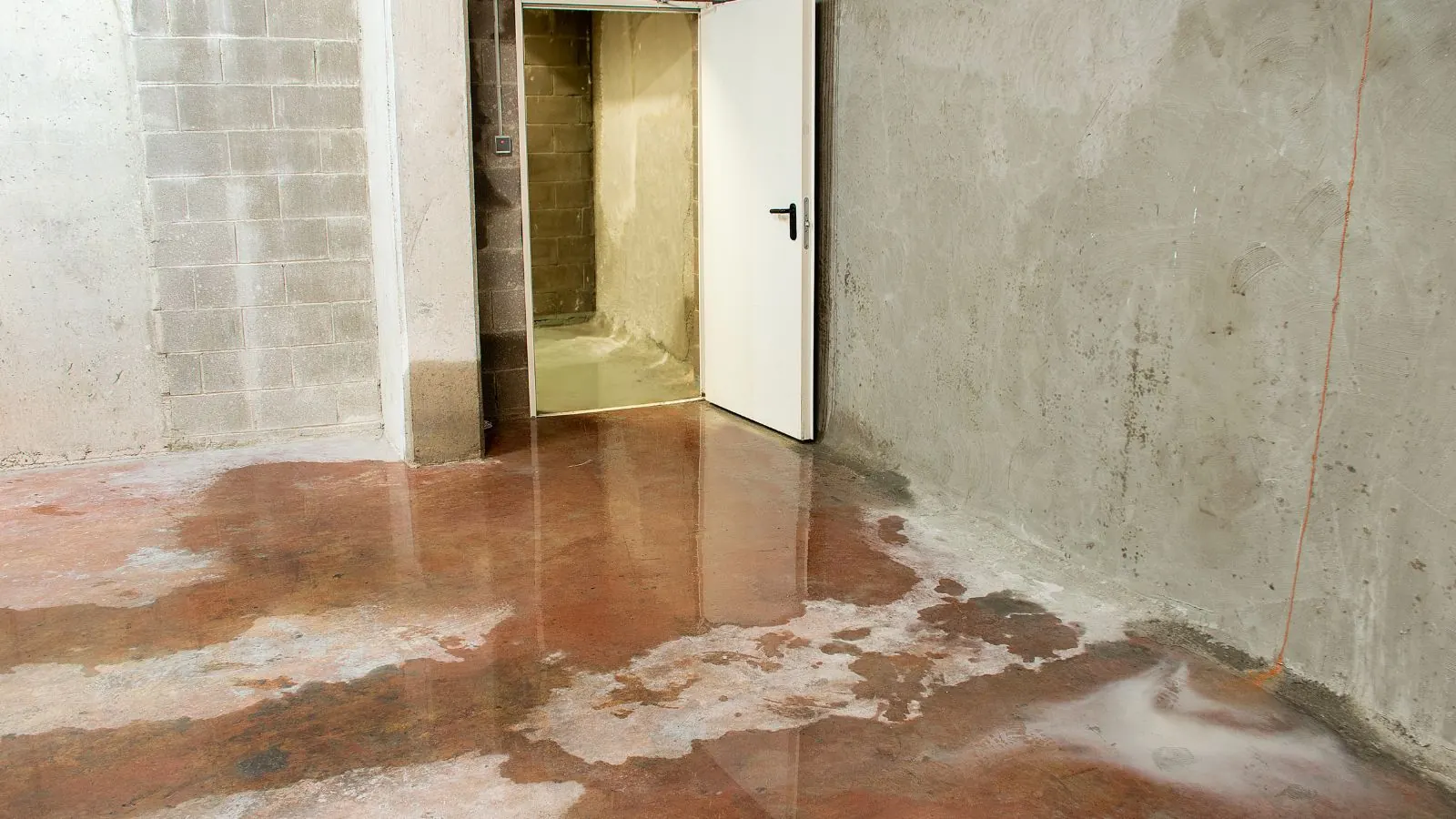
Water in a business is an emergency that hurts revenue as well as property, and our 24/7 line is open for it. While you wait, shut off the water source if you can reach the valve, unplug or lift equipment from wet floors, move inventory to dry areas and keep staff and customers out of affected rooms. For any electrical or gas risk, call 911 or the utility first.
Commercial water emergencies: first moves
- Close the main or branch valve for the source, and note which tenants share it.
- Photograph the loss, inventory and equipment before moving anything.
- Keep power off to wet areas unless the panel is dry and reachable.
- Call the building owner or property manager if the lease assigns responsibility.
- Call the line and describe the area, the building type and the hours it must reopen.
A commercial loss differs from a home loss. Floors are larger, ceilings are higher, and a single break can cross suite walls. The first calls are often to the landlord, the insurer and the staff, not just the restoration company.
What makes commercial water damage different
Larger floor area
Open retail or warehouse floors need staged extraction and many air movers.
Multiple tenants
Water crosses walls and ceilings into units owned by others.
Downtime
Every day closed is revenue lost, so drying has to be planned around reopening.
Contents and records
Inventory, files and equipment need quick triage.
Scale matters. O'Fallon has large public buildings, from the Renaud Spirit Center to CarShield Field at the Ozzie Smith Sports Complex, and any building with a big roof and a lot of floor area poses the same question after a leak. How is the water extracted evenly, and how do you dry a large open space without moving air from wet to dry areas? Those are planning questions we answer on site.
How we run a commercial job
Triage
We stop the source, protect contents and set priorities with the owner or manager.
Extract
Large pumps and extraction units clear floors zone by zone.
Map and dry
Moisture meters and thermal cameras guide placement of air movers and dehumidifiers.
Document
Readings, photos and a scope of work support insurance review and lease discussions.
Business closed by water?
Call now and describe the building.
Landlord, tenant and insurer
Who pays depends on the lease and the policy. A commercial property policy may cover sudden water damage to the building, while tenant coverage may apply to contents and improvements. Business interruption coverage, if you have it, is separate. Read your lease and call your insurer. We do not give legal advice.
For rentals with water damage, the water extraction page and structural drying describe the technical steps that every party will ask about.
Common sources of a commercial water loss
| Source | What happens | What we look at |
|---|---|---|
| Roof drain or flat roof leak | Water enters ceiling tile and insulation | Ceiling grid, insulation, decking. |
| Fire sprinkler discharge | A large volume at once | Floors, ceilings, stored inventory. |
| Restroom overflow | Gray or contaminated water spreads across floors | Floor finishes, adjoining suites. |
| HVAC condensate or chilled-water line | Slow leaks above ceilings | Ceiling tile, duct insulation. |
| Supply line break | Clean water at first | Walls, floors, wall base. |
Contents, inventory and records
Inventory and equipment are triaged on arrival. Items that can be saved are moved to a dry area, and items that cannot are photographed and listed. Wet paper records and electronics are best assessed by specialists, so we tell you which items to set aside rather than guess.
A list of what was damaged, with photos, supports an insurance claim and a lease discussion. Take it before cleaning begins, and keep a copy off site.
Planning around reopening
The owner or manager decides what has to reopen first. We lay out equipment so that unaffected areas stay usable where it is safe. If a restroom or storage room can be sealed, the rest of the suite can sometimes keep operating. We tell you which areas are off limits and why before work starts.
What affects commercial cost
Floor area and ceiling height
Larger spaces need more equipment and labor.
Water category
Contaminated water needs protective gear and disposal.
Building materials
Carpet tile, drywall, ceiling tile and insulation each follow different steps.
Hours of work
After-hours work to protect business hours may add scheduling cost.
Rebuild
Replacing finishes and fixtures is separate from mitigation.
Want your real number? Call (636) 747-8964. Scope and price are explained before work starts. We make no guarantee about reopening dates because drying is measured by readings.
Safety steps for staff and tenants
- Move people out of wet areas and mark slippery floors.
- Shut off water at the main or the affected branch and notify the building manager.
- Keep clear of wet panels, power strips and equipment on the floor.
- Protect records, inventory and electronics by lifting them off wet surfaces.
- Photograph the area and list what was affected for the insurer and the landlord.
The ANSI/IICRC S500 standard rates losses by water category and by class, which describes how much material the water reached. Both ratings help set the drying plan for a tenant space or a whole floor.
Commercial Water Damage questions
Do you handle commercial water damage emergencies at night or on weekends in O'Fallon?
Yes. Dispatch is open 24/7, including nights, weekends and holidays. Call, describe the building and the source, and a crew is sent when one is available. We do not promise an arrival time.
Can you work around business hours?
We plan equipment and access around your schedule where we can. Safety and drying needs come first.
Do you handle multi-unit buildings?
Yes. Water often crosses units, so we map moisture across walls and ceilings.
What documentation do you provide?
Photos, moisture logs and a scope of work that your insurer and landlord can review.
Will the building have to close?
Not always. It depends on the area, the water category and safety. We tell you before work starts what areas must stay closed.