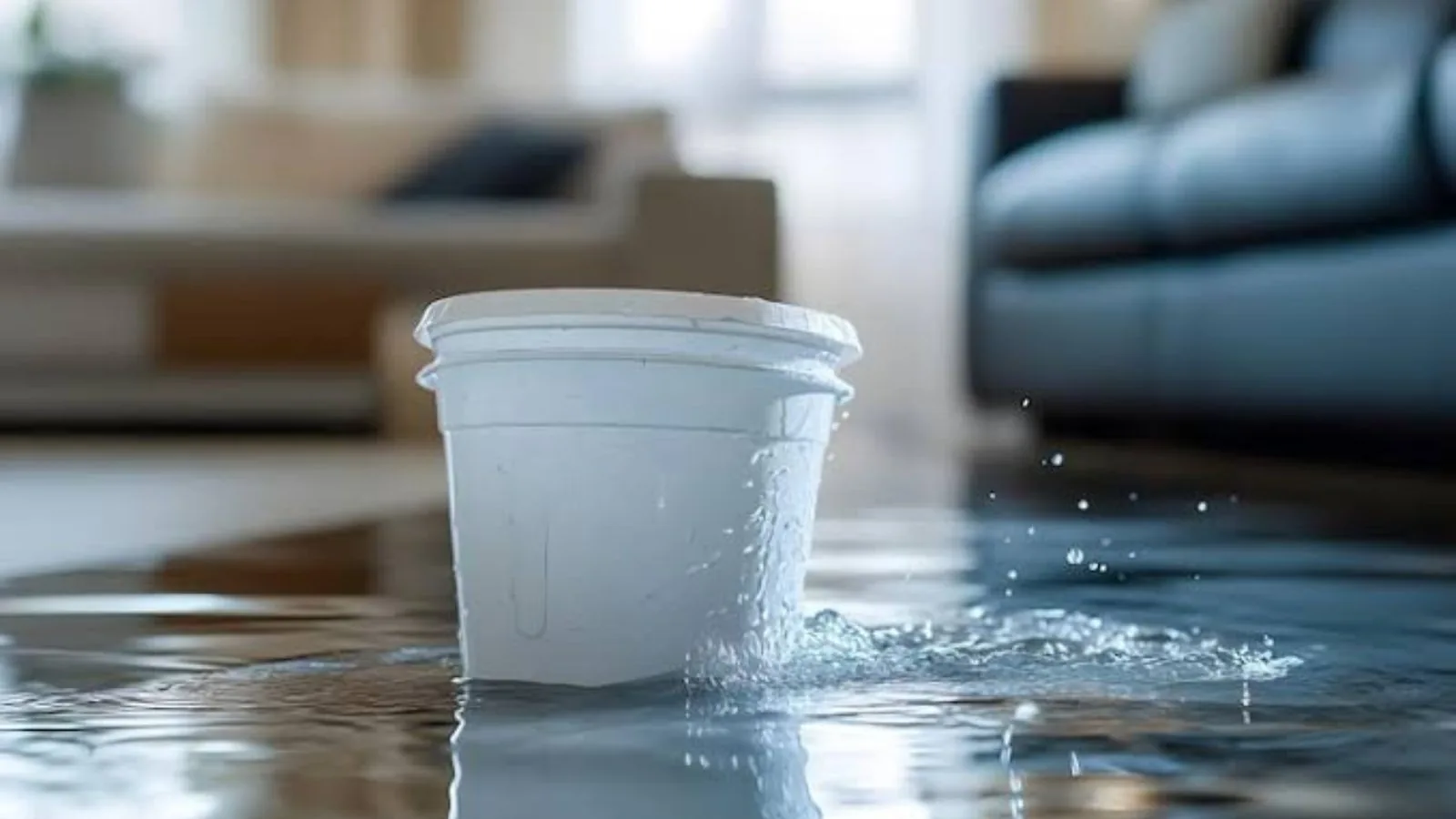
Standing water in your O'Fallon home is an emergency, and our 24/7 line is open now. While you wait for a crew, stop the source if you can reach the shutoff, keep everyone out of rooms where water touches outlets or cords, and lift small items, rugs and cushions onto dry surfaces. Do not run a household vacuum on water.
Water extraction means removing the bulk of the liquid with pumps and wet-extraction units before drying begins. It is the first physical step on most water losses, and it sets how long drying takes afterward.
When standing water is an emergency
Water that sits on a floor does not stay on the floor. It wicks into baseboards, drywall and the pad under carpet, and it moves through subfloor seams to the room below. Wood swells, paint blisters and the smell changes. The EPA advises drying water-damaged materials within 24 to 48 hours to keep mold from starting.
That window is the reason we treat a flooded room as urgent at any hour. A call at midnight is handled the same way as a call at noon, and after-hours crews cover nights, weekends and holidays.
Before you step into the water
If water is touching an outlet, a power strip, an appliance or the electrical panel, stay out. Cut power at the panel only if you can reach it without standing in water. For any sign of an electrical or gas hazard, call 911 or the utility first, then call us.
What we do on arrival
Find the source
We confirm the water is stopped. A supply line, a failed sump pump or a backed-up drain each calls for a different next step.
Read the water
We note whether it is clean supply water, gray water from a washer or dishwasher, or contaminated water, because that decides what is safe to save.
Extract
Submersible pumps move deep water. Truck-mount or portable extraction units pull water out of carpet, pad and low spots.
Map and hand off
Moisture meters and a thermal camera show where water went. The room then moves into drying with air movers and dehumidifiers.
Equipment, in plain words
Pumps handle depth. Extraction wands and weighted tools handle carpet and hard floors, pulling water that a mop would only smear around. A moisture meter gives a number for wood and drywall, and a thermal camera shows cool, wet areas behind a wall that look dry on the surface.
Extraction does not finish the job. A carpet that feels nearly dry can still hold water in the pad and the subfloor under it, so extraction is followed by structural drying and dehumidification until readings come back to normal.
| Water source | Typical category | What changes on site |
|---|---|---|
| Broken supply line, tub overflow | Category 1, clean at the start | Fast extraction. Most materials can be dried in place. |
| Washing machine or dishwasher discharge | Category 2, gray water | Pad is usually removed. Hard surfaces are cleaned and dried. |
| Sewer backup, creek or river water | Category 3, contaminated | Protective gear, removal of porous materials, disinfection. See sewage backup cleanup. |
Water still spreading?
Call now and tell dispatch what you see.
O'Fallon water losses we plan for
Heavy rain is the local pattern behind many extraction calls. The National Weather Service recorded an O'Fallon storm total of 8.79 inches during the 2015 flooding, when Dardenne Creek flooding ran from O'Fallon toward St. Peters and Interstate 70 was closed. Rain like that pushes water through foundation walls and window wells and overwhelms sump pumps.
Closer to home, a supply-side leak is a different story. Depending on the street, your water may come from the City of O'Fallon, Missouri American Water or Public Water Supply District No. 2, so check a recent bill. If the leak is on the utility side of the meter, that utility is the first call, and we handle the water inside.
Floodwater from a creek is Category 3 no matter how clear it looks. Anything in the 100-year floodplain that floods is handled as contaminated, and the flood damage cleanup page explains how that changes the work.
What affects the cost of extraction
Depth and area
A film of water across one room and a foot of water in a basement are different jobs, measured in pump time and labor.
Water category
Clean, gray and contaminated water need different protection, removal and cleaning steps.
Materials involved
Carpet and pad, hardwood, tile, drywall and insulation each hold water differently.
Access and hours
A crowded basement or a long carry from the street adds time. Extraction that follows into drying adds equipment days.
Rebuild scope
Extraction and drying are mitigation. Replacing drywall or flooring afterward is a separate scope.
Scope and price are explained before work starts, and we give no exact figure over the phone because depth and materials decide it. Want your real number? Call (636) 747-8964 and describe what you see.
Insurance and documentation
Sudden and accidental water damage is often covered by a homeowners policy, while gradual leaks and neglect often are not. Flood damage is usually excluded and needs separate flood coverage. Check your policy or ask your insurer, because wording differs. The Missouri Department of Commerce and Insurance publishes a home inventory checklist that helps you list what was wet.
Take photos of the water before anything is moved, keep wet items you plan to claim, and save receipts. We record moisture readings and the affected areas so the file shows what happened and what was done.
Where extraction fits with other pages
If the water came from a failed pipe, the burst pipe page covers the source and the shutoff. If it sits in a below-grade room, basement water damage cleanup covers the sump, the walls and stored contents. Business owners can read about commercial water damage and downtime.
Standards used for extraction
Extraction follows the ANSI/IICRC S500 standard, which sorts water into categories and tells the crew what can be dried in place and what should be removed. The category is set at the start and can change if the water sat.
Water Extraction questions
Do you handle water extraction emergencies at night or on weekends in O'Fallon?
Yes. Dispatch is open 24/7, including nights, weekends and holidays. Call, describe the water and its source, and the next available crew is sent when one is free. We do not promise an arrival time because it depends on the call volume and your address.
How long does water extraction take?
Removing standing water often takes hours, not days, but it depends on depth and the area. Drying afterward is separate and usually takes several days, measured by moisture readings rather than a calendar.
Can I extract the water myself with a wet-vac?
For a small spill on a hard floor, a wet-vac can help. For carpet, deep water or anything near electrical power, it is not safe or effective. Water left in pad and subfloor is the usual cause of later mold.
Will you tell me the price before starting?
Yes. Scope and price are explained before work starts, based on what the crew finds on site.
What if the water is dirty or smells?
Treat it as contaminated. Stay out, keep children and pets away and call. Category 3 water needs protective gear and removal of porous materials.