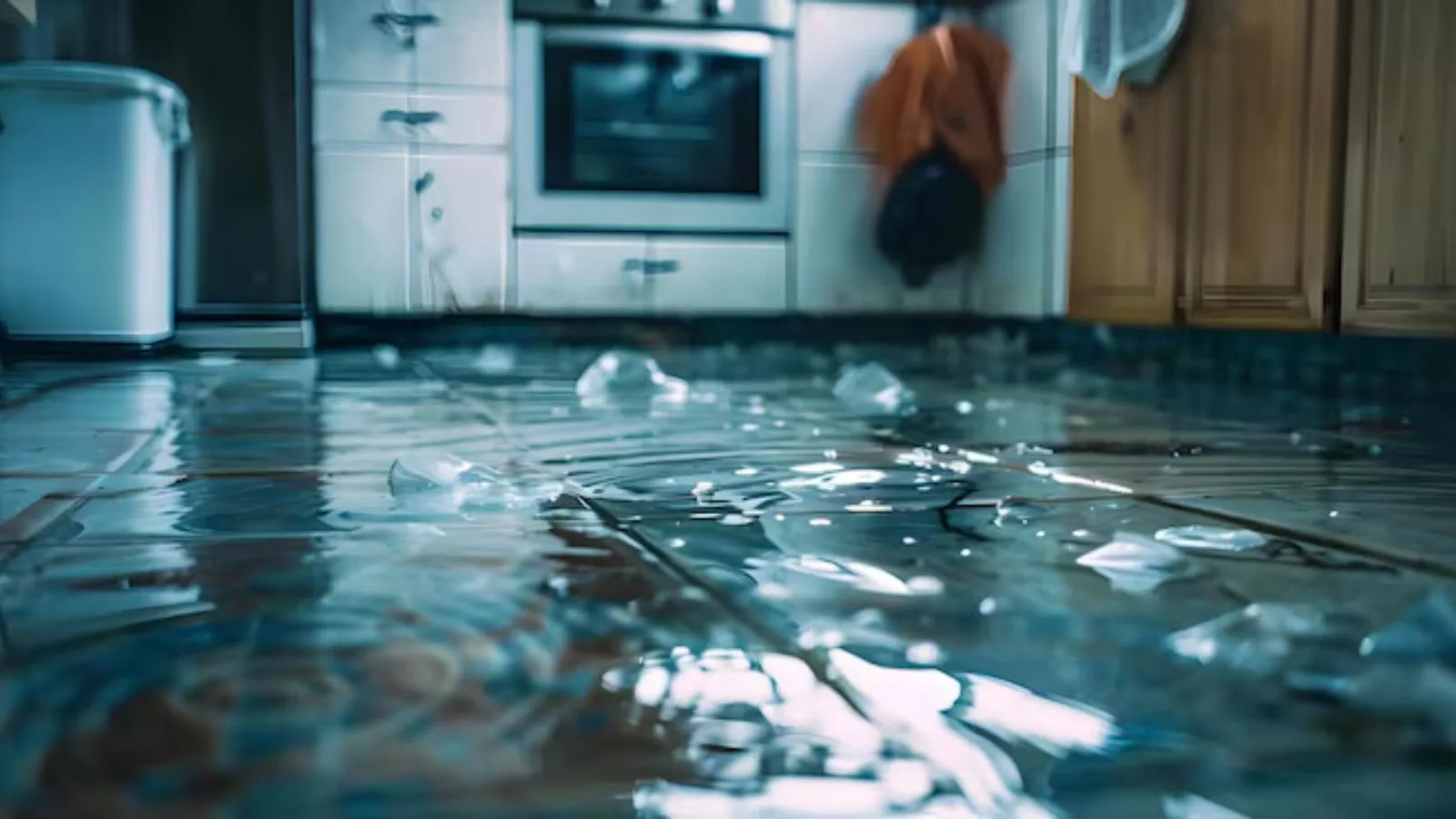
Floodwater inside a home is an emergency, and our 24/7 line is open for it. While you wait, stay out of the water, keep children and pets away, shut off power at the panel only if you can reach it dry, and do not use household appliances or run a vacuum. Call 911 for any electrical or gas risk before you call us.
Water from a creek, a storm drain or a rising river is contaminated by default. Under the ANSI/IICRC S500 standard it is Category 3, which changes what can be saved and how the work is done.
When floodwater reaches the house
Flooding differs from a plumbing leak in three ways. The water carries soil, sewage and chemicals. It arrives in volume and recedes slowly. And it is usually excluded from a standard homeowners policy, so the paperwork matters from the first hour.
After-hours calls are normal for flood work, because storms do not keep business hours. Dispatch is open nights, weekends and holidays, and a crew is sent as soon as one is free.
Flood safety first
Do not wade through floodwater to reach the panel. Do not touch anything electrical that is wet. If you smell gas or see sparking, leave and call 911 or the utility before calling us. Do not eat food that touched floodwater.
How flood cleanup is different
Make it safe
Crews wear protective gear. We check for hazards and decide what must go before anything else.
Pump and extract
Deep water is pumped out in stages, then remaining water is pulled from floors and low spots.
Remove porous material
Carpet, pad, insulation and wet drywall touched by contaminated water are removed rather than dried.
Clean, disinfect, dry
Surfaces that stay are cleaned and treated, then dried with air movers and dehumidifiers to a documented standard.
Hard surfaces such as concrete and tile can usually be cleaned and saved. Wood framing is cleaned and dried. Porous finishes absorb contaminants and are replaced. A line-by-line list of what was removed and why helps with any claim.
O'Fallon's flood history, and what it means for you
Local flooding is not hypothetical. The National Weather Service St. Louis office documented the 2015 floods, when Dardenne Creek flooding ran from O'Fallon to St. Peters and Interstate 70 was closed. In 2008 flash flooding put Peruque Creek, Big Creek and Dardenne Creek out of their banks.
The U.S. Geological Survey publishes flood-inundation maps for Dardenne Creek with a gage at O'Fallon, and FEMA's notice lists Crooked, Dardenne and Duckett Creek flood zones affecting the city. The practical step is simple. Look up your address on the FEMA Flood Map Service Center and ask the City of O'Fallon Engineering office whether your lot is in the 100-year floodplain.
Water still rising?
Get out of the water and call the line.
Flood damage versus other water damage
| Question | Plumbing leak | Floodwater |
|---|---|---|
| Water category | Often Category 1 at first | Category 3. |
| Carpet and pad | Often dried or cleaned | Removed. |
| Typical coverage | Often covered if sudden | Usually excluded without flood coverage. |
| Where to read more | Burst pipe page | This page. |
What affects flood cleanup cost
Depth and time under water
More depth and longer contact means more removal.
Water category
Contaminated water needs protective gear, disposal and disinfection.
Square footage
Area drives equipment count, labor and drying days.
Contents and finishes
Finished basements and flooded living areas hold more material than bare concrete.
Rebuild
Replacing drywall, insulation, flooring and cabinets is separate from cleanup.
Want your real number? Call (636) 747-8964. Scope and price are explained before work starts.
Insurance and flood coverage
Most homeowners policies exclude flood damage, and flood insurance is a separate policy. Sewer or drain backup and sump pump failure are often optional endorsements, and the Missouri Department of Commerce and Insurance guide asks whether your policy includes them. Check your policy or ask your insurer, and photograph everything before cleanup.
Storm-driven water through a roof or window is a different loss. See storm water damage cleanup. For water in a below-grade room, see basement water damage cleanup.
Flood questions in Copperfield
KSDK reported more than 80 flooded homes in one O'Fallon subdivision after historic rain. Our Copperfield page explains what floodwater cleanup involves there.
Flood Damage Cleanup questions
Do you handle flood damage emergencies at night or on weekends in O'Fallon?
Yes. Dispatch is open 24/7, including nights, weekends and holidays. Stay out of the water and call. A crew is sent when one is available, and we do not promise an arrival time.
Is floodwater always contaminated?
Treat it that way. Creek, river and surface floodwater is Category 3 under ANSI/IICRC S500, and it carries soil, sewage and chemicals even when it looks clear.
What gets thrown away after a flood?
Carpet, pad, insulation, drywall that wicked contaminated water and many soft contents. Hard surfaces and framing can usually be cleaned and dried.
Does homeowners insurance cover flooding?
Usually not. Flood is commonly excluded and needs separate flood coverage. Check your policy or ask your insurer, and ask about sewer backup and sump pump endorsements.
How do I know if my home is in a floodplain?
Search your address on the FEMA Flood Map Service Center, and ask the City of O'Fallon Engineering department about the 100-year floodplain.