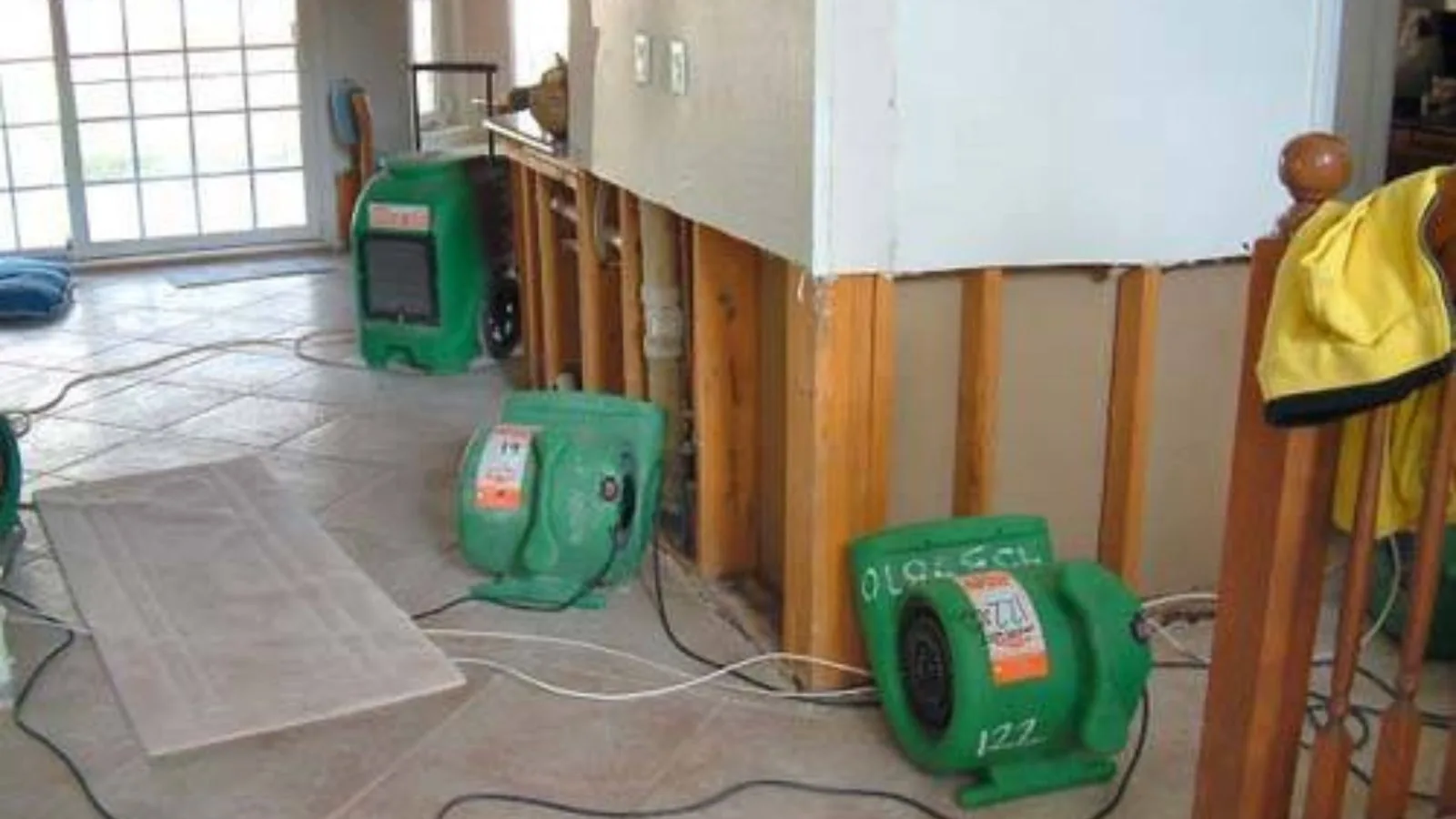
If you have decided to bring in a mold removal service, the next question is how to tell a careful one from a careless one. This guide walks through the typical process, the questions to ask and the points where homeowners are most often surprised. It is general information, not a diagnosis of any particular home.
Step one: find the moisture
A responsible company starts by asking what leaked and when, then checks moisture with meters and sometimes a thermal camera. If the source is still active, it should be fixed before remediation starts. Removing mold from a wall that is still wet is wasted effort.
Expect questions about recent plumbing leaks, roof leaks, HVAC condensation and past water damage. These are the usual starting points.
Step two: containment
Containment keeps spores from spreading while mold is disturbed. Crews hang plastic sheeting, seal vents and run HEPA air filtration or negative air so the work area is under lower pressure than the rest of the house.
A company that rips out moldy drywall without sealing the room is a warning sign. Ask how the work area will be isolated and where waste will travel when it leaves.
Assess
Moisture readings, visual inspection and a written scope.
Contain
Barriers, air filtration and protective gear.
Remove
Porous materials with growth are removed. Hard surfaces are cleaned.
Dry and verify
The area is dried. Clearance testing is an option.
Step three: removal and cleaning
Porous materials with growth, such as drywall, insulation and carpet, are bagged and removed. Wood framing and other solid surfaces are cleaned using methods that do not stir up spores, such as HEPA vacuuming and damp wiping. Crews then dry the space and check it.
The ANSI/IICRC S520 standard is the published reference for mold remediation. Ask whether a company's crews work to it. Do not accept a promise that mold will never return. No one can promise that if moisture comes back.
Clearance testing
Some lenders, buyers or insurers ask for testing after remediation. The key is independence. A tester who has no financial stake in the cleanup gives results that mean more than a test done by the same crew. We explain the option, but we do not promise what a lender will accept.
Questions to ask any mold removal service
- What is the source of moisture, and who is fixing it?
- How will the work area be contained?
- Do your crews work to ANSI/IICRC S520?
- What is included in the written scope, and what is excluded?
- Is clearance testing separate and independent?
- What happens if hidden mold is found after walls are opened?
Scope and price should be explained before work starts. Be wary of a flat price quoted over the phone without seeing the space. For the water side of the problem, our pages on ceiling water damage and carpet water damage cover what wet materials need first.
How scope and cost are set
Mold work is priced by what the crew has to do, not by a flat fee per room. The size of the affected area, the materials involved and the need for containment each change the scope. Hidden growth behind walls can enlarge a job once it is opened.
A fair estimate lists what will be removed, how the area will be sealed, how waste will be handled and what is excluded. It also explains what happens if more growth is found. Ask for this in writing and compare scopes, not just totals.
What happens after the work
When removal is finished, the area is dried and checked. If walls were opened, they stay open until moisture readings confirm the framing is dry. Closing a wall over damp wood invites the problem back.
Keep the paperwork, including the scope, photos and any clearance results. A future buyer, lender or insurer may ask for it. Then prevent a repeat. Fix the water source permanently, keep humidity in range and watch the area for a few weeks.
- Photos of the work area before, during and after.
- A written scope and any change orders.
- Moisture readings confirming the area is dry.
- Clearance results, if they were ordered.
- A record of the repair that fixed the water source.
If a company will not explain its process or offers to skip containment to save money, treat that as a reason to keep looking.
Preparing your home before the crew arrives
Clear the area so the crew has space. Move small valuables out of the work zone and cover furniture that cannot be moved. Tell the crew about pets, children and anyone with sensitivities so they can plan access.
Turn off the HVAC system if the crew asks you to. Running air through a work area can spread spores, so crews often seal vents and manage airflow themselves.
- Photograph the area for your records.
- Clear the path from the door to the work area.
- Arrange a place for pets during the work.
- Ask what to do about the HVAC system.
- Keep your phone nearby for questions from the crew.
Permits and rebuilding in O'Fallon
Once mold and wet materials are removed, walls often need to be rebuilt. The City of O'Fallon Building Division requires permits for plumbing, electrical and mechanical repairs and remodels, and its permit applications ask for the licensed subcontractor's name and license number.
Ask whoever rebuilds the space whether a permit applies, and keep the remediation paperwork with your records. The EPA notes that about 10 square feet is the point where homeowners should consider professional help. We serve O'Fallon and nearby towns, including Defiance and Moscow Mills.
Questions we hear
Does O'Fallon require a permit to repair walls after mold removal?
Permits apply to plumbing, electrical and mechanical repairs and remodels. Ask the City of O'Fallon Building Division whether your rebuilding work needs one.
How long does mold removal take?
Small jobs can take a day or two plus drying. Larger jobs take longer. Scope depends on area and materials.
Will I have to leave the house?
Often not, but containment keeps the work area closed. Ask for guidance based on the size of the job.
Is testing required?
Not always. Testing may be asked for by a buyer, lender or insurer. Ask which type they accept.
What does mold removal cost?
It depends on area, materials, containment and whether hidden growth is found. Ask for a written scope before work begins.