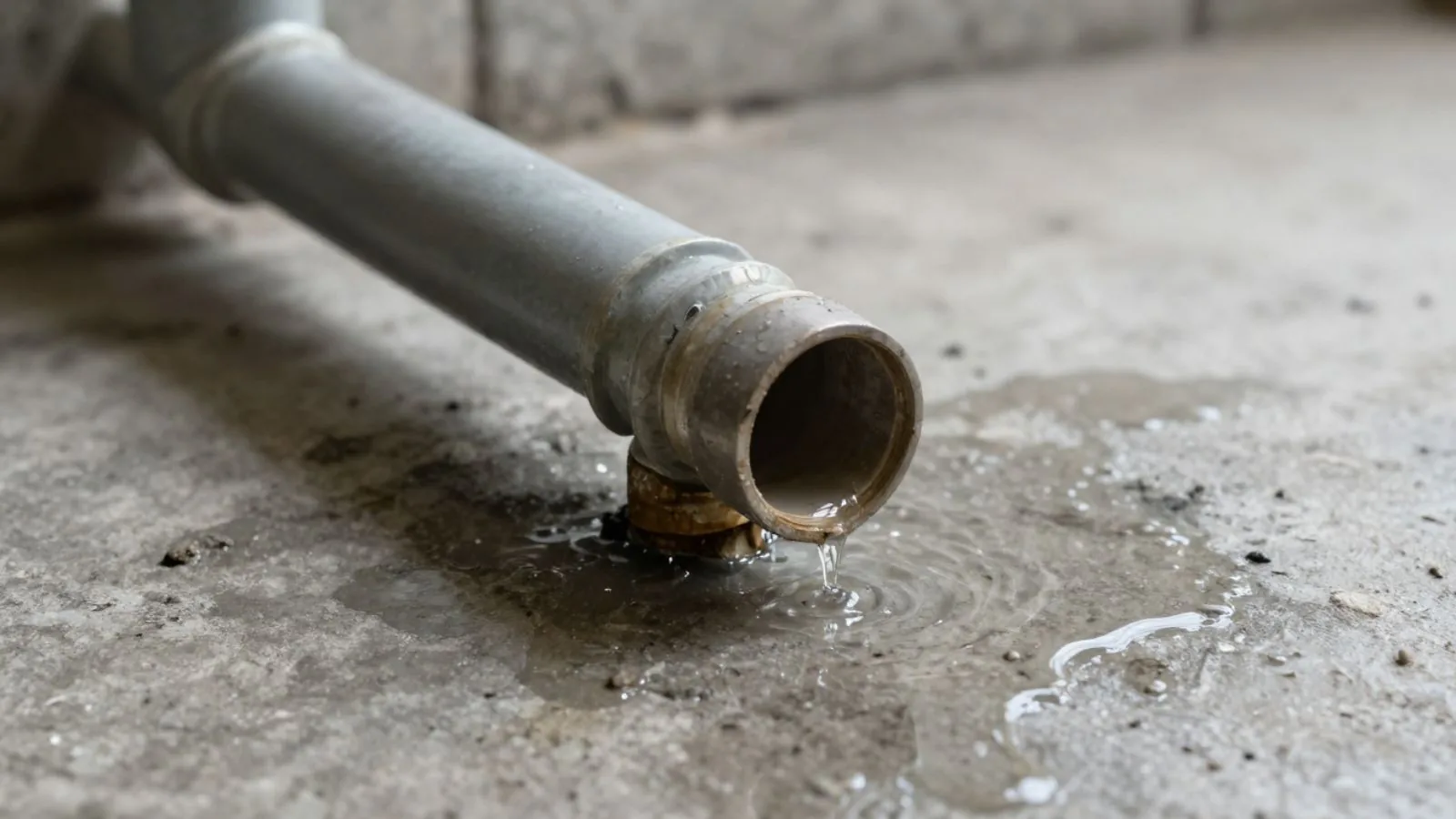
Water damage does not arrive at random. In the St. Louis region it follows the calendar. Cold snaps split pipes, spring storms flood basements, and humid summers feed hidden condensation. A seasonal checklist helps you spend effort where it counts.
Late fall and winter: pipes and heat
Freezing weather is the main winter risk. Water expands as it freezes, and a pipe in an unheated wall, garage or crawl space can split. The damage often appears when the ice thaws and water pours out.
Before the first hard freeze, disconnect and drain outdoor hoses, shut off and drain exterior spigots if your home has shutoffs for them, and insulate exposed pipes. Know where your main shutoff is, in case you need to stop water fast.
- Insulate pipes in garages, crawl spaces and exterior walls.
- Keep the heat on and set above a safe minimum if you travel.
- Open cabinet doors under sinks on exterior walls during hard freezes.
- Let a faucet drip slowly in extreme cold on vulnerable lines.
- Know your main shutoff and test that it turns.
If a pipe does freeze, shut off the main and call a plumber. Do not use an open flame to thaw it. Our page on frozen pipe water damage describes what the aftermath involves.
Spring: storms and saturated ground
Spring brings heavy rain on soil that is already wet. Sump pumps run hard, gutters overflow and creeks rise. Basements and crawl spaces take the brunt.
Clear gutters, check grading and test sump pumps in March, before the worst weather. See our guide to basement water damage cleanup if water has already entered.
Summer: humidity and appliances
Warm, humid air condenses on cool surfaces. Air conditioners produce condensate that must drain away, and a clogged line can overflow into ceilings and walls. Summer storms also bring wind and hail that damage roofs.
Check the condensate drain, watch for water stains on ceilings and keep indoor humidity from running high. If an AC line has overflowed, see AC leak water damage.
| Season | Main risk | Check |
|---|---|---|
| Winter | Frozen and split pipes | Insulation, heat, shutoff. |
| Spring | Storms, sump failure, creek flooding | Gutters, sump pump, grading. |
| Summer | AC condensate, roof leaks, humidity | Condensate drain, roof, humidity. |
| Fall | Water heater and supply line failures, gutter clogs | Heater, hoses, gutters. |
Fall: the good time to check
Fall is a good season to inspect appliances and plumbing before cold weather. Look at the water heater for rust or drips and replace old washing machine hoses. Clean gutters after leaves drop.
A failing water heater tends to leak slowly at first, then more. See water heater leak cleanup for what a failure looks like.
Holiday and vacation checks
Water damage often happens when nobody is home. Before a trip, shut off the water at the main or at least at the washing machine. Set the thermostat to a safe temperature in winter. Ask a neighbor to check the house.
If you leave for a long time, drain pipes you do not need, or ask a plumber to winterize the house. A burst pipe in a closed house can run for days.
Small habits across the year
A quarterly walkthrough takes twenty minutes. Look under sinks, check the water heater, inspect the washer hoses, peer into the attic and glance at the ceiling for stains. Make notes and photos.
Small signs are cheap to fix. Large ones are costly. The point is not to inspect like a professional but to catch the changes that lead to one.
- Spring: gutters, sump pump, grading.
- Summer: AC condensate line, roof, irrigation.
- Fall: water heater, hoses, outdoor spigots.
- Winter: pipe insulation, heat, shutoff location.
Garages, attics and other forgotten spaces
Water damage often starts in places we do not visit. Attics hold roof leaks and condensation, garages hold water heaters and washers, and crawl spaces collect moisture from the ground. A quick look once a season can catch a problem before it spreads.
In the attic, look for dark stains on the underside of the roof deck and wet insulation. In the garage, check the base of the water heater and the lines to it. In a crawl space, look for standing water, sagging insulation and moisture on the joists.
Make notes of what you see and photograph it. A change from one season to the next is the clue. The page on crawl space water damage explains why those areas are easy to overlook.
Freeze dates and the O'Fallon calendar
According to National Weather Service climate data for St. Louis, the median first freeze falls around mid November and the average last freeze comes near the start of April, based on 1991 to 2020 normals. That gives O'Fallon homeowners a rough window of about four and a half months when pipes in unheated spaces are at risk.
Outlying areas can run colder than the city, so use the dates as a guide, not a limit. The Missouri Department of Commerce and Insurance notes that typical homeowners policies cover frozen pipe repairs and the resulting damage, so ask your insurer about conditions. We serve O'Fallon and nearby towns, including Defiance and Moscow Mills.
Questions we hear
When should O'Fallon homeowners winterize pipes?
Before the first hard freeze. Climate data for St. Louis puts the median first freeze around mid November, so late October is a good time to act.
Is spring or winter worse for water damage?
They are different risks. Winter brings frozen pipes and spring brings storm flooding. Both can be serious.
Do I need to winterize if the house stays heated?
Pipes in unheated areas can still freeze, so insulate them. Heat helps but does not remove every risk.
What should I do if a pipe bursts when I am away?
Have a trusted person check the house, shut off the main and call for help.
Does insurance cover frozen pipes?
Often, with conditions. Ask your insurer about heat requirements.