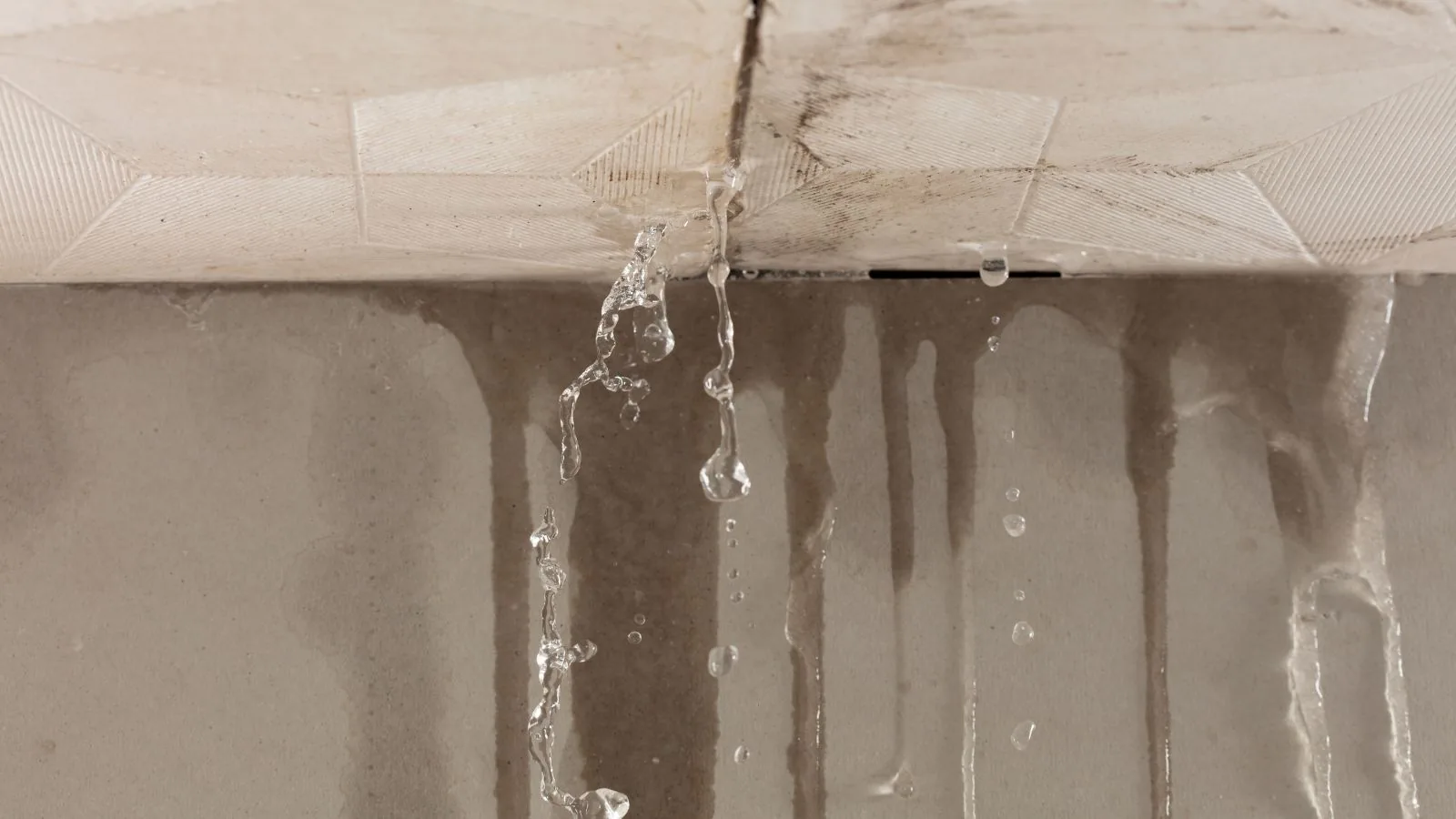
Water damage in a rental raises questions that a homeowner does not face. Who calls the repair company, who pays, and what happens to your belongings? This guide covers general steps for tenants and landlords in O'Fallon. It is not legal advice, and your lease controls many details.
If you are the tenant
Make it safe
Shut off the water at a fixture valve or the main if you can reach it. Keep clear of wet electrical outlets.
Notify in writing
Tell your landlord or property manager right away. Use text or email so there is a dated record.
Document
Photograph the damage and your belongings before moving anything.
Protect belongings
Move valuables out of wet areas. Check whether you hold renters insurance and call that insurer.
Water that is spreading is an emergency whoever owns the building. If your landlord cannot be reached, you may still call a 24/7 restoration line to limit damage. Tell the crew you rent and give them your landlord's contact. Do not sign work authorizations that you are not entitled to sign, since the property owner usually decides on repairs.
If you are the landlord
Once notified, act quickly. Stopping the source, extracting water and drying the structure within a day or two limits the damage and the cost. Waiting can turn a leak into a mold case and a bigger dispute.
Keep a record of when you were told, what you did and who did it. A restoration company can supply moisture readings and a scope of work. If the unit is not safe to live in, talk to your tenant and your insurer about next steps.
| Issue | Tenant usually | Landlord usually |
|---|---|---|
| Stopping the leak | Reports it and shuts off water if safe | Arranges a plumber and repairs the source. |
| Drying the structure | Allows access | Arranges mitigation. |
| Personal belongings | Claims through renters insurance | Not usually responsible unless lease or law says so. |
| Rebuilding walls and floors | Allows access | Pays, often through building insurance. |
| Temporary housing | Check lease and renters policy | Depends on lease and local rules. |
Habitability and repairs
A leaking roof or burst pipe that makes a unit unfit to live in raises habitability questions. According to the Missouri Attorney General's landlord and tenant guide, repair duties and tenant options are explained in plain language. Read it before you withhold rent or move out, since mistakes there can cost money.
If you are unsure, a local legal aid office or an attorney can advise. We cannot give legal advice and do not take sides in a tenant and landlord matter. We document the water loss and dry the building.
What to document
- Photos and video of damage, with dates, before cleanup.
- Messages with your landlord or manager, saved in one place.
- A list of your damaged belongings and their approximate cost.
- Receipts for hotel stays or emergency purchases, if any.
- Moisture readings and a scope of work from the mitigation crew.
If the loss came from a neighbor's unit or an upstairs apartment, note that too. Our guides to ceiling water damage and appliance leaks cover two of the most common rental scenarios, a leak from above and a failed washer or dishwasher hose.
Talking to each other
Most water problems in rentals are handled better when both sides stay calm and keep records. Send a short message that says what happened, when you found it, what you did and what you need. Attach photos. Ask for a reply date.
Landlords can help by confirming receipt quickly and naming who is coming. Even a simple acknowledgment reduces stress. If the repair will take time, explain the plan.
Mold, moving out and deposits
If water damage leads to mold, report it in writing as soon as you notice it. Ask what the plan is for assessment and removal. Tenants should avoid disturbing the area themselves.
If you must leave temporarily, check your lease and your renters policy. Keep receipts for extra costs. At move-out, photograph the unit and keep records of the water event so the damage is not mistaken for tenant damage.
- Keep a copy of the lease and renters insurance policy.
- Save every message about the leak.
- Photograph the unit at move-in and after the loss.
- Ask in writing about repair timelines.
- Keep receipts for temporary costs.
When damage affects more than one unit
In apartments and duplexes, water often travels. A leak in one unit can drip into the unit below or spread through shared walls. When that happens, the property manager coordinates repairs and each tenant documents their own unit.
If a neighbor's leak damaged your belongings, tell your landlord and your insurer. Responsibility depends on the cause and the lease, so keep records of when you reported the issue.
Our page on commercial water damage restoration covers multi-unit buildings and managers who need to coordinate several spaces at once.
O'Fallon rental permit and inspections
The City of O'Fallon requires rental properties to hold a Residential Rental Occupancy Permit, administered by the Building Division under Chapter 525 of the city code. The permit process involves an inspection of the unit.
A landlord who holds a current permit has already passed a basic inspection, and a tenant can ask whether the permit is current. Water damage that goes unrepaired may show up at the next inspection. Contact the Building Division for the current requirements. We serve O'Fallon and nearby towns, including Defiance and Moscow Mills.
Questions we hear
Does O'Fallon require a permit for rental homes?
Yes. The city requires a Residential Rental Occupancy Permit, with an inspection, under Chapter 525 of its code. Contact the Building Division for current requirements.
Can a tenant call a restoration company directly?
In an emergency, yes, to limit damage. Tell the crew you rent and share your landlord's contact. The owner usually approves repairs.
Who pays for the tenant's damaged belongings?
Usually the tenant's renters insurance. Landlord policies often cover the building only.
What if the landlord does not respond?
Keep written proof of your notice and read the Missouri Attorney General's landlord and tenant guide. Consider legal advice.
Is mold the landlord's problem?
It depends on the lease, the cause and local rules. Report it in writing and document it.