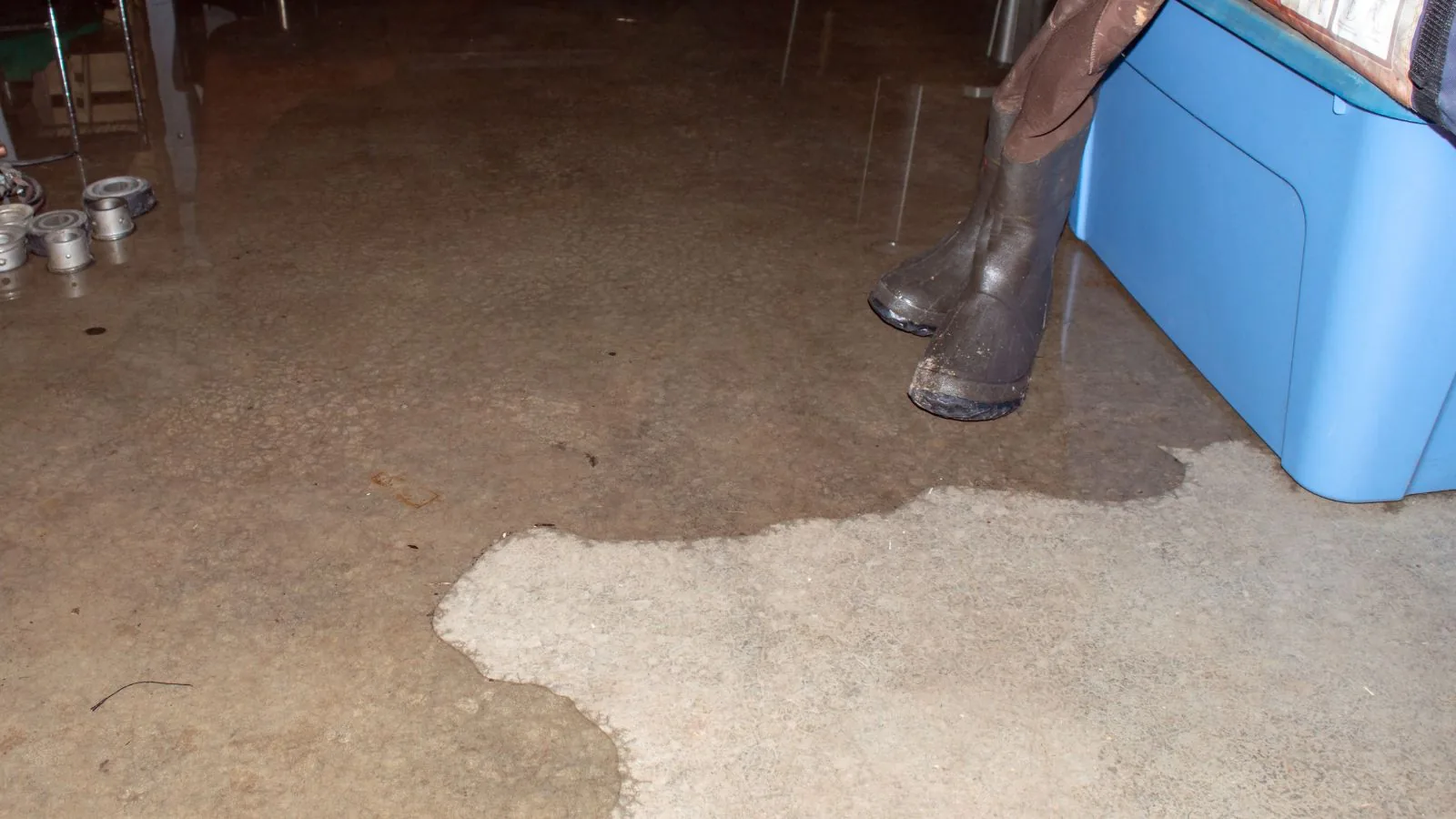
A wet sofa feels like a financial blow. Whether it can be saved depends on what the water was, how long the piece stayed wet and what it is made of. This guide helps you decide, and shows how to protect your claim before you throw anything away.
Start with the type of water
Clean water from a supply line is the best case. Gray water from a washer or dishwasher is less clean. Floodwater and sewage are contaminated. Porous items such as upholstered furniture and mattresses that touched contaminated water are usually discarded.
That rule protects you. Cushions and foam soak up water and whatever is in it, and cleaning them thoroughly is difficult. Hard, nonporous pieces such as solid wood or metal can often be cleaned and dried.
| Item | Clean water | Contaminated water |
|---|---|---|
| Upholstered sofa or chair | May be dried and cleaned if acted on quickly | Usually discarded. |
| Mattress | Often discarded if soaked through | Discard. |
| Solid wood furniture | Often saved with drying | Can often be cleaned and disinfected. |
| Particleboard furniture | Often swells and fails | Usually discarded. |
| Area rug | May be cleaned and dried | Cleaned professionally or discarded. |
What to do in the first hours
Get it up
Lift furniture off wet floors. Put foil or plastic under legs to block stains.
Photograph
Take photos of the piece and any labels before you move it.
Remove cushions
Stand cushions on edge in a dry, ventilated room.
Dry
Use fans and a dehumidifier. Avoid direct sun, which can fade and warp.
The EPA advises drying wet materials within 24 to 48 hours to limit mold growth. Items that remain wet longer often need to be discarded. If a sofa still smells musty after drying, the filling may be wet inside. A professional contents cleaner can assess whether it is worth saving.
Document before you discard
- Photograph each item from several angles, including labels.
- Note age, brand and approximate cost.
- Keep a small fabric swatch if an adjuster may ask for one.
- Save receipts and any appraisal for valuable pieces.
- Ask your insurer before disposing of high-value items.
Contents are often a separate line in a policy. The Missouri Department of Commerce and Insurance has a home inventory checklist that helps you list items room by room. Our pages on carpet water damage and hardwood floor repair cover what happens to the floors under the furniture.
Cleaning and drying specifics
If a piece is worth saving, act quickly. Blot rather than rub. Use a wet-dry vacuum to pull water from upholstery. Remove cushion covers if they come off. Pat the fabric dry and stand pieces so air can circulate.
Keep the room ventilated and run a dehumidifier. Avoid heating the item directly, since high heat can warp frames and shrink fabric. Check back after a day for dampness and odors.
Valuable and sentimental pieces
Antiques, family heirlooms and expensive upholstery deserve a specialist. A furniture restorer or contents cleaner can assess whether drying and cleaning is possible. Take photos and ask for a written opinion if you plan to file a claim.
Some items can be saved with professional help, and some cannot. A clear assessment avoids guessing and gives you something to show your insurer.
- Blot, do not rub, wet fabric.
- Lift furniture on blocks to allow airflow.
- Use a dehumidifier in the room.
- Avoid direct heat and sun.
- Photograph items before and after cleaning.
Mattresses, rugs and other soft goods
Mattresses are built from foam and fabric that trap water deep inside. After a soaking they are rarely worth saving, and a mattress that stays damp can smell for a long time. If only a corner got damp from a clean source, standing it on edge in a dry room with airflow gives it a chance.
Rugs vary. A synthetic area rug that sat in clean water can often be rolled out, dried and cleaned. Wool and natural fiber rugs may need professional cleaning to avoid color bleed and odors. Rugs from a flood or sewage loss are usually discarded.
Children's items and electronics
Stuffed animals, car seats and other children's items that touched contaminated water should generally be discarded. Check the maker's guidance for car seats, since the manufacturer may say to replace one after certain exposures.
Electronics that got wet should stay unplugged. Do not turn them on to test them. Let a repair shop assess them. Photograph model numbers and serial labels for your claim.
Good records protect you if you decide to replace an item. A quick list with a photo of each piece, an approximate age and a replacement cost is enough to start with. Add details as you remember them.
Floods and contents in the O'Fallon area
In the 2015 flooding the National Weather Service recorded an O'Fallon storm total of 8.79 inches, and Dardenne Creek flooding reached homes and roads. Contaminated floodwater changes the decision for upholstered items, because creek water is treated as Category 3 regardless of how clear it looks.
If floodwater touched your furniture, photograph it, keep paperwork and talk to your insurer. Standard homeowners policies often exclude flood, so ask what applies. We serve O'Fallon and nearby towns, including Defiance and Moscow Mills.
Questions we hear
Can a sofa soaked by an O'Fallon creek flood be saved?
Usually not. Floodwater is treated as contaminated, and upholstered furniture soaks it up. Photograph the item for your claim and ask your insurer before disposal.
How long can furniture stay wet before it is ruined?
Mold risk rises after 24 to 48 hours of wetness, so act quickly.
Can I dry a mattress?
Soaked mattresses are usually discarded. Slightly damp ones may be dried, but check for odor.
Should I keep the item for the adjuster?
Photograph it, and ask your insurer whether it needs to be kept.
Is wood furniture safe to keep?
Solid wood can often be cleaned and dried. Particleboard often swells and fails.