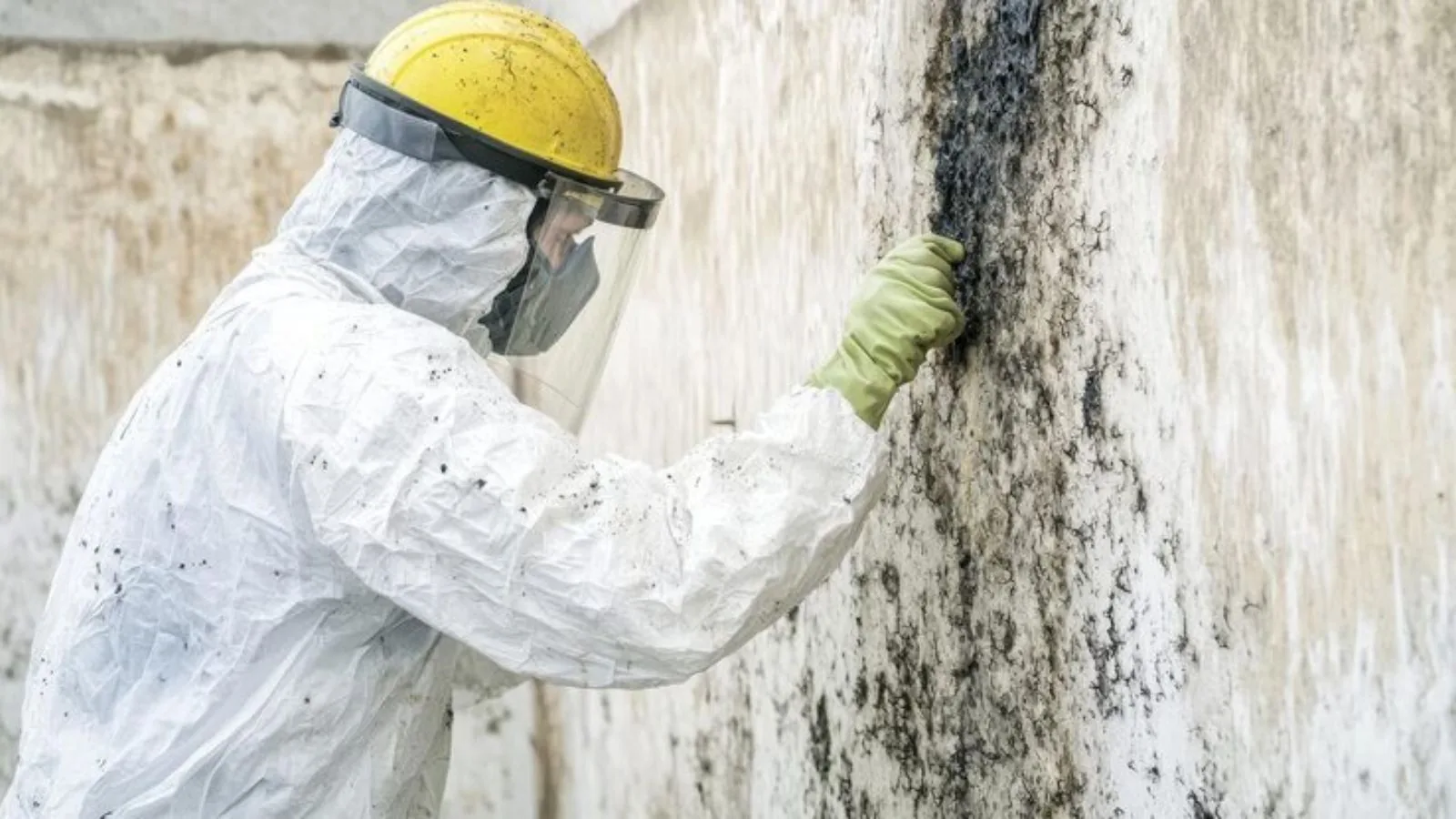
People search for what kills mold because they have spotted a dark patch and want it gone. The most useful answer is less satisfying than a product name. Mold needs moisture, so the lasting fix is to remove the water source and dry the material. Cleaning is the second step. This guide explains the order and the limits.
Start with the moisture
The EPA says the key to mold control is moisture control. If mold is growing, there is a water problem to find and fix, such as a leak, condensation or a wet basement. Cleaning without fixing the water source usually brings mold back.
Fix the leak first. Dry affected materials within 24 to 48 hours of a leak where you can. Then deal with growth. The structural drying page describes how wet materials are dried and proven dry.
What helps and what does not
| Approach | Works on | Limits |
|---|---|---|
| Soap and water scrubbing | Mold on hard, nonporous surfaces such as tile and glass | Does not reach growth inside porous materials. |
| Drying and dehumidifying | Prevents growth when done quickly | Does not remove existing growth. |
| Removing and replacing porous material | Drywall, insulation and carpet with growth | Needs containment for larger areas. |
| Painting or sealing over it | Nothing | Hides the problem while mold keeps growing. |
| Fogging or sprays alone | Sometimes surface growth | Does not fix moisture and may not penetrate. |
Mold on tile or a shower wall can usually be cleaned by hand. Mold in drywall, carpet or insulation is different. Porous materials hold growth below the surface, so cleaning the face does not remove it. Those materials are typically cut out and replaced.
How big a patch is too big
The EPA suggests that a moldy area of about 10 square feet, roughly a three-by-three-foot patch, is about the limit for a homeowner to handle alone. Larger areas, mold in an HVAC system or growth after contaminated water call for a professional.
The EPA also notes there are no federal limits for mold spores, so a spore count alone does not answer the question. What matters is whether materials are wet and growth is visible. We make no health claims. Questions about symptoms belong to a physician.
Safety steps if you clean it yourself
- Wear an N95 respirator, gloves and eye protection.
- Keep the area closed off from the rest of the house, and keep children and pets out.
- Do not mix cleaning products, which can release harmful gases.
- Bag moldy material before carrying it through the house.
- Dry the area and watch for return of the stain.
If the patch keeps coming back, the moisture source has not been found. If mold shows up after a leak you did not dry, the walls may be wet inside. Our mold remediation page explains the S520 process of assessment, containment and removal. For hidden leaks, see wall and drywall repair.
Why bleach and sprays disappoint
Many people reach for bleach because it removes color quickly. On hard, nonporous surfaces it can lighten stains. On wood and drywall it mostly sits on the surface while the water soaks deeper, and the growth below keeps its water supply.
Fogging products and sprays have a similar problem. They may treat what they touch, but they do not fix the leak, and they do not remove material that has been colonized. The EPA does not recommend routine use of biocides, and says the goal is to remove mold and fix moisture.
Humidity targets that help
Indoor humidity between 30 and 60 percent is the range the EPA suggests, and keeping it below 60 percent makes growth harder. A cheap hygrometer shows the number. If a basement reads above 60 percent for weeks, a dehumidifier sized for the space is a reasonable investment.
Pair humidity control with practical habits. Vent bathrooms and dryers outdoors, use exhaust fans while cooking, and avoid drying laundry indoors on racks in a closed room.
| Habit | Effect | Notes |
|---|---|---|
| Running a dehumidifier | Lowers humidity | Empty the tank or use a drain hose. |
| Using exhaust fans | Removes moist air | Vent outdoors, not into the attic. |
| Fixing small leaks | Removes the water source | Check under sinks monthly. |
| Keeping gutters clear | Moves rain away from the house | Extend downspouts. |
The sequence stays the same: find the water, fix it, dry the materials, then clean or remove what is affected. Skipping the first three steps is why mold returns.
What a professional does differently
A remediation crew works from a plan. It finds the source of moisture, seals the work area, removes affected porous material, cleans remaining surfaces with HEPA vacuums and damp wiping, and dries the space. It also records readings so the result can be checked.
That is different from spraying a product on a wall. The difference lies in containment, removal of colonized material and proof of dryness. It is why small jobs can often be done by homeowners and bigger ones should not.
If you are unsure which category you are in, a short assessment can answer it. Describe the size, the material and the water history when you call.
Backups, drains and moisture in O'Fallon
In O'Fallon a common source of hidden moisture is the sewer lateral, the line between a house and the city main. The City of O'Fallon Water and Sewer department administers a Sewer Lateral Insurance Program. A drain backup soaks flooring and wall bases with Category 3 water, which feeds mold if not removed and dried.
If a backup reached your floors, see sewage backup cleanup before cleaning anything yourself. We serve O'Fallon and nearby towns, including Defiance and Moscow Mills.
Under the ANSI/IICRC S520 standard, containment and removal rise with the size of the affected area.
Questions we hear
Does Missouri license mold remediation companies?
Ask any company whether its work is licensed where required, and check with the Missouri Department of Commerce and Insurance and your city. Also ask whether crews follow the ANSI/IICRC S520 standard.
Does bleach kill mold?
It can lighten surface stains on nonporous materials, but it does not fix moisture or remove growth inside porous material. Do not mix it with other cleaners.
Will a dehumidifier kill mold?
It slows growth by lowering humidity but does not remove existing growth.
Is white vinegar a good option?
It may clean light surface growth on hard surfaces. It does not address moisture or porous materials.
When should I call a professional?
If the patch is larger than about 10 square feet, follows contaminated water, or returns after cleaning.